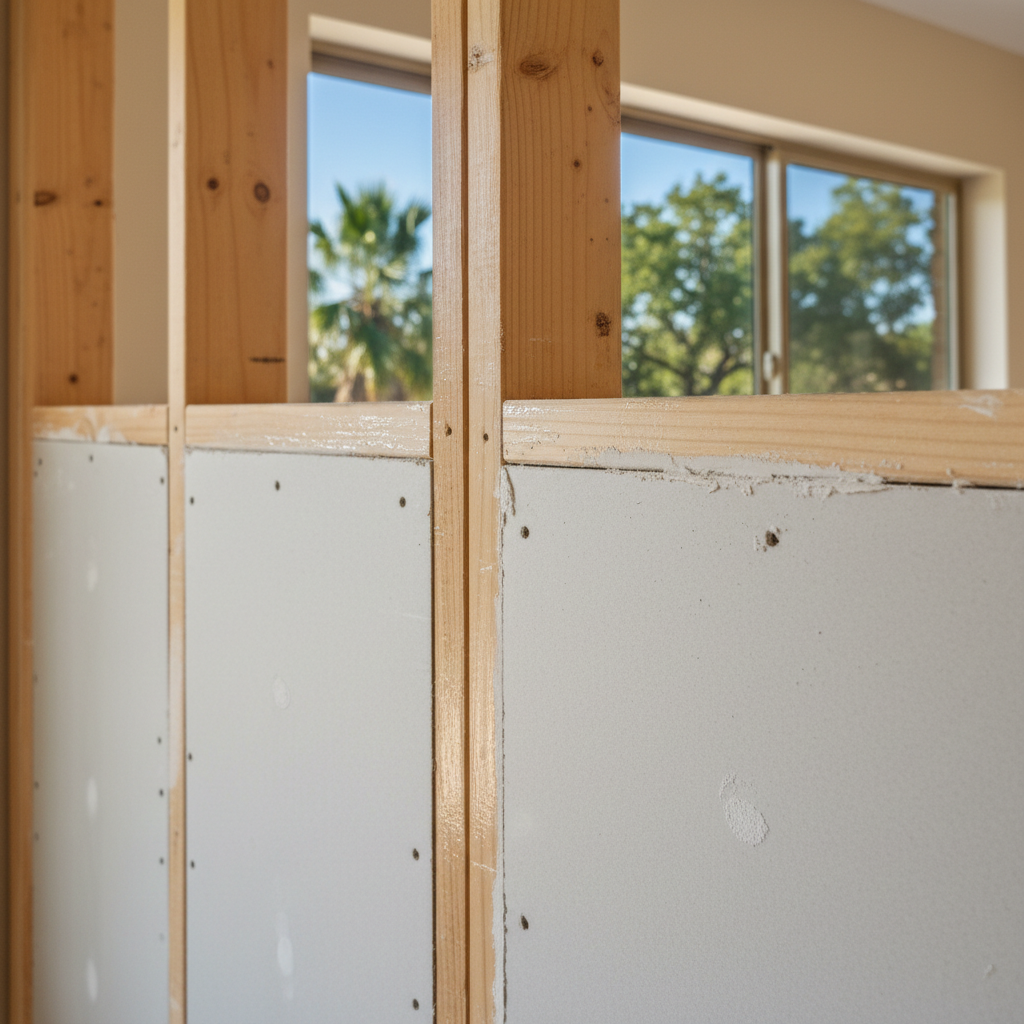
You spot a patch of dark fuzzy stuff behind the toilet or notice that musty smell near the baseboards after a heavy Hill Country rainstorm. Panic usually sets in right about then. Before you start ripping out drywall or dumping bleach on everything, let us talk about what actually works and what just makes things worse around here. Dealing with Mold Remediation in San Antonio's humid climate requires a bit of common sense, an understanding of our local caliche soil and humidity swings, and knowing your own limits.
Before the Cleanup: Assessing the Real Problem
Mold does not just show up for fun; it is a symptom of a moisture problem. If you clean the mold and ignore the leak or the condensation issue, you are wasting your Saturday. Around neighborhoods like Alamo Heights or Castle Hills, older homes often have unique ventilation quirks or aging ductwork that feeds condensation right into the walls.
First things first: figure out how big the affected area actually is. The industry standard says if the mold patch is smaller than about ten square feet—roughly a three-foot by three-foot square—you can usually handle it yourself with the right gear and safety precautions. Anything larger than that, or anything hidden inside HVAC units and deep within wall cavities, means you need to put down the sponge and call a professional remediation crew like Crown Peak Restoration.
During the Project: DIY vs. Calling the Pros
If you decide to tackle a small patch yourself, gear up properly. Do not just use an old t-shirt and hope for the best. Grab an N95 mask, rubber gloves, and eye protection. Spores get kicked into the air the second you start scrubbing, and you do not want to breathe that junk in.
- Scrub hard surfaces with plain old soap and water, then let them dry completely.
- Skip the heavy bleach on porous materials like wood or drywall because it only kills the surface layer while leaving the roots intact inside the material.
- Contain the workspace if you are disturbing anything significant so spores do not drift into your kids' bedrooms.
When should you step away? If the mold is the result of sewage backups, if it covers a massive span of your framing, or if you or someone in your home has severe asthma or compromised immunity, do not try to save a buck by doing it yourself. Proper containment, negative air machines, and HEPA vacuums are necessary to stop cross-contamination through the rest of the house.
After the Remediation: Keeping San Antonio Humidity Out
Once the mold is gone, keeping it away is the real battle. San Antonio summers are brutal on air conditioners, and if your AC unit isn't draining right, your indoor humidity will skyrocket. Invest in a good hygrometer to keep an eye on indoor humidity levels. You want to keep things under fifty percent if possible. Run your bathroom exhaust fans for at least twenty minutes after a hot shower, and check your windows for condensation on those muggy mornings when the weather shifts abruptly.
Taking care of moisture fast prevents minor leaks from turning into massive remediation bills down the road. Crown Peak Restoration provides Water Damage Restoration services for homes in San Antonio, TX.